

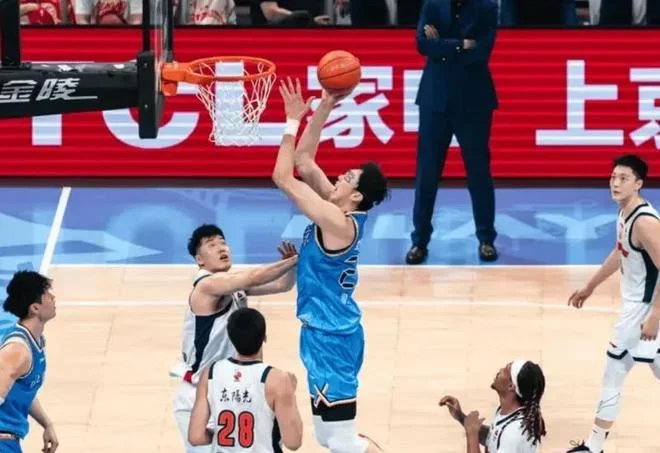
Beijing secured a 2-1 series victory over Guangdong, advancing to the semifinals where they will face the top-seeded Shanghai. However, the team’s interior depth remains a significant concern. Currently, the only consistent contributor in the paint is Zhou Qi, who dominated the key area in Game 3.
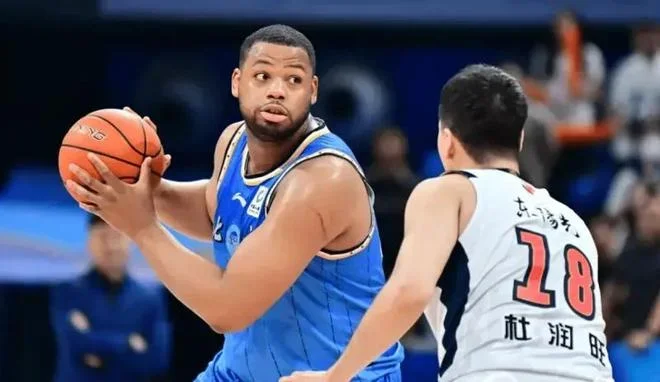
Yet, Zhou Qi faces a critical issue: his stamina is limited. When he plays over 30 minutes, his impact on both ends declines sharply, as seen in Game 2. In Game 3, he played only 25 minutes, delivering a near-perfect performance on both offense and defense. Relying solely on Zhou Qi to withstand the offensive onslaught from Kenneth Lofton, Hassan Whiteside, and Wang Zhelin will place immense pressure on him.
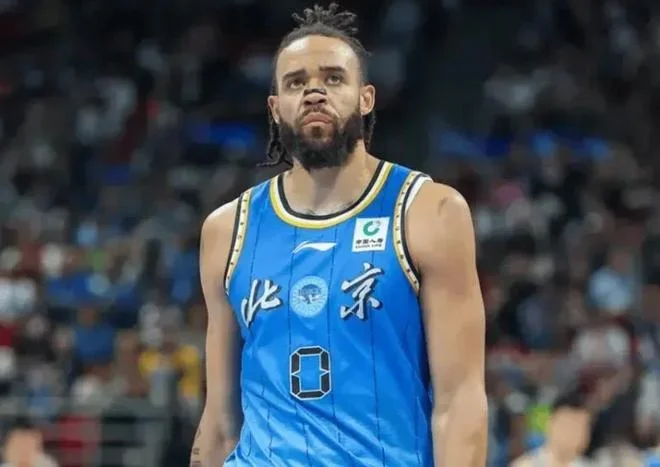
Unfortunately, the performances of JaVale McGee and Omari Spellman have been far from ideal. Spellman, known for his offensive prowess, struggles defensively. When his scoring falters, his rebounding and defense become liabilities. In Game 3, he played eight minutes, going 0-for-3 from the field with zero points, three rebounds, and no assists, posting a minus-8 plus-minus. While he had a standout game earlier, expecting him to maintain consistent offensive output is unrealistic.
McGee’s situation is even more concerning. Beijing signed him to shore up the frontcourt rotation, but in 14 minutes of Game 3, he shot 0-for-6, finishing with two points, five rebounds, one assist, two turnovers, and one block. His performance left fans baffled, as he looked like a caricature of a professional player. His defensive impact is poor, and his shooting accuracy is unreliable. Facing Shanghai in the next round, McGee’s current form would be disastrous. The challenge for Beijing’s interior will be immense.
