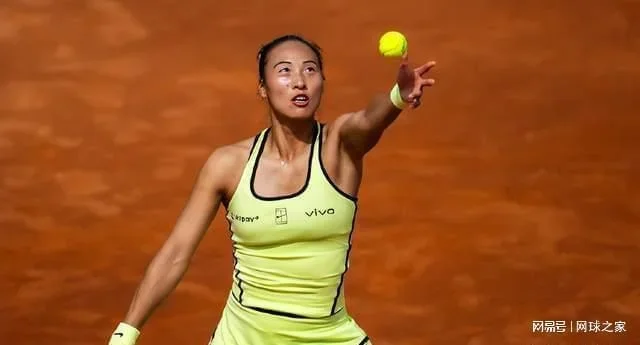


After a grueling 2-hour-29-minute battle against former French Open champion Jelena Ostapenko, Zheng Qinwen’s hopes of securing a seeded spot at Roland Garros through Rome were dashed. The Chinese No. 2 had previously won all three meetings with Ostapenko, but all on hard courts. This time, on the red clay of Rome, the dynamics shifted.
Zheng started strong, taking the first set 6-4, breaking Ostapenko’s serve at a crucial moment. However, in the second set, her composure wavered. Ostapenko, a former champion on clay, fought back to level the match 6-4. In the deciding set, Zheng lost her second service game and struggled to catch up. Ostapenko held her nerve, converting her first match point to secure a 6-4 win and exact revenge.
Despite hitting 14 aces and posting a 69% first-serve percentage, Zheng’s fatal weakness was exposed: a dismal 29% second-serve win rate. This allowed Ostapenko to attack relentlessly, putting Zheng under immense pressure. After the match, Zheng admitted the issue.
Meanwhile, a massive upset unfolded on the other side of the draw. World No. 1 Aryna Sabalenka, after taking the first set 6-2 against Sorana Cirstea, lost her serve in the second set and ultimately fell 3-6, 5-7 in a stunning reversal. Cirstea’s aggressive play and consistent groundstrokes overwhelmed the top seed, marking one of the biggest surprises of the tournament.
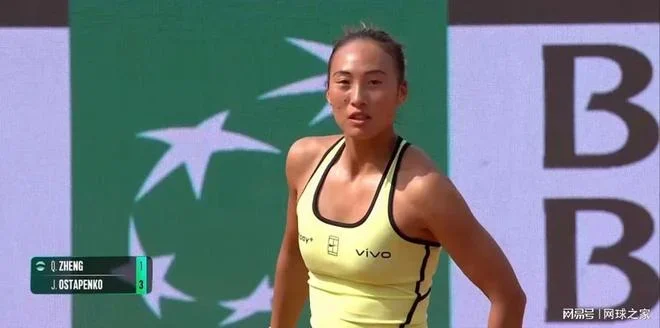
With Sabalenka out, many believed Zheng had a clear path to the later rounds. But her early exit means she missed a golden opportunity in Rome, where the draw had opened up. Fans lamented that if Zheng had overcome Ostapenko, she could have at least matched her semifinal run from last year. Instead, she was left to rue another missed chance.
(Source: Tennis Home)