

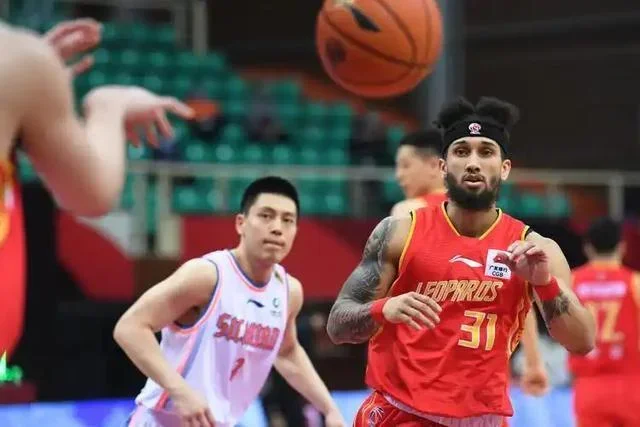
The CBA playoff quarterfinals have adopted a best-of-three format this season, a change made to free up time for the national team’s World Cup qualifiers. Every game is now high-stakes, with no room for error.
In the second game between Shenzhen and Zhejiang, Shenzhen had already taken the first match. Zhejiang faced a must-win situation at home, with fans roaring from the stands. The first quarter was tight, ending in a tie. In the second, Shenzhen pulled ahead slightly, but Zhejiang’s Lu Wenbo hit a buzzer-beating three to cut the deficit to six at halftime. The third quarter saw Zhejiang’s offense stall, allowing Shenzhen to go on a 13-4 run and build a commanding lead. In the fourth, Zhejiang’s dual foreign imports fought back, but He Xining answered with four three-pointers, snuffing out the comeback. Shenzhen took the game and the series with a 2-0 sweep, advancing to the semifinals.
As the third seed, Shenzhen had the advantage of traveling second, and this victory sealed the series earlier than under the previous format—a direct impact of the new structure.

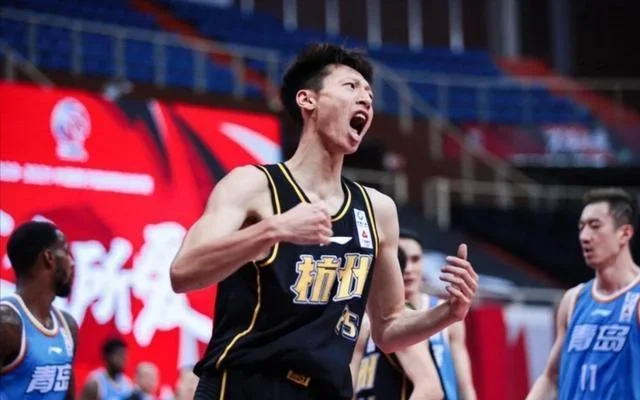
Meanwhile, the Guangsha-Shanxi series delivered all the drama. After losing their home opener to a Shanxi buzzer-beater, Guangsha traveled to Shanxi with immense pressure. With the series following a home-away format, this second game was critical for the visitors.
In the first half, Hu Jinqiu dominated inside, and Brown’s drives were effective, building a double-digit lead. However, Shanxi’s Diallo fought back with a mix of drives and jumpers, cutting the margin to five by halftime. The second half was a nail-biter. With 15 seconds left, Brown committed a costly turnover, and Shanxi’s Diallo got the ball, drove to the basket, but his layup just missed. Guangsha escaped with a win, tying the series 1-1. Game 3 will be held at Guangsha’s home on May 13.
Beyond the wins and losses, this game reveals three key narratives within the CBA.
First, physical confrontations were intense, but referees maintained consistent standards. For example, in the Shenzhen-Zhejiang match, Zhejiang’s high defensive intensity nearly sparked a scuffle, but officials avoided handing out extra technicals—a sign of sportsmanship under pressure. In the Guangsha-Shanxi game, Brown’s late turnover reflected the pressure of a must-win situation, a mental slip that can alter the entire outcome.
Second, playoff rankings carry hidden depth. Under CBA rules, tiebreakers are determined by head-to-head results, then point differential, then scoring efficiency. Shenzhen’s third-place finish was secured through strong mutual records, while Shanxi, as the tenth seed, proved that parity is rising—no team is invincible.
Third, the transition from player to coach is a growing trend. For example, Guangsha head coach Wang Bo, a former player for the team, adjusted his tactics after Game 1. He emphasized Hu Jinqiu’s inside presence and Brown’s drives, leading to a win—a payoff from understanding player psychology. Similarly, Shenzhen’s Zheng Yonggang, another player-turned-coach, kept his team composed on the road. Former CBA defensive standout Meng Lingyuan now runs a youth training program, earning FIBA certification and producing national U15 champions. These transitions show how veteran players are converting on-court experience into coaching success.
These two quarterfinal games highlight the CBA’s growing excitement. Shenzhen’s steady advance, Guangsha’s narrow escape, and Shanxi’s respectable loss all add to the narrative. Beyond individual performances, the officiating and coaching adjustments demonstrate the league’s progress. Game 3 in Guangsha will be sold out—can Shanxi replicate their opening buzzer-beater, or will Guangsha close out the series? It’s anyone’s call. The league is now more competitive than ever, with homegrown stars like He Xining and Zhang Ning stepping up alongside transforming coaches like Wang Bo, Zheng Yonggang, and Meng Lingyuan. Win or lose, as long as players give their all, they’ll be champions in the eyes of the fans.
